
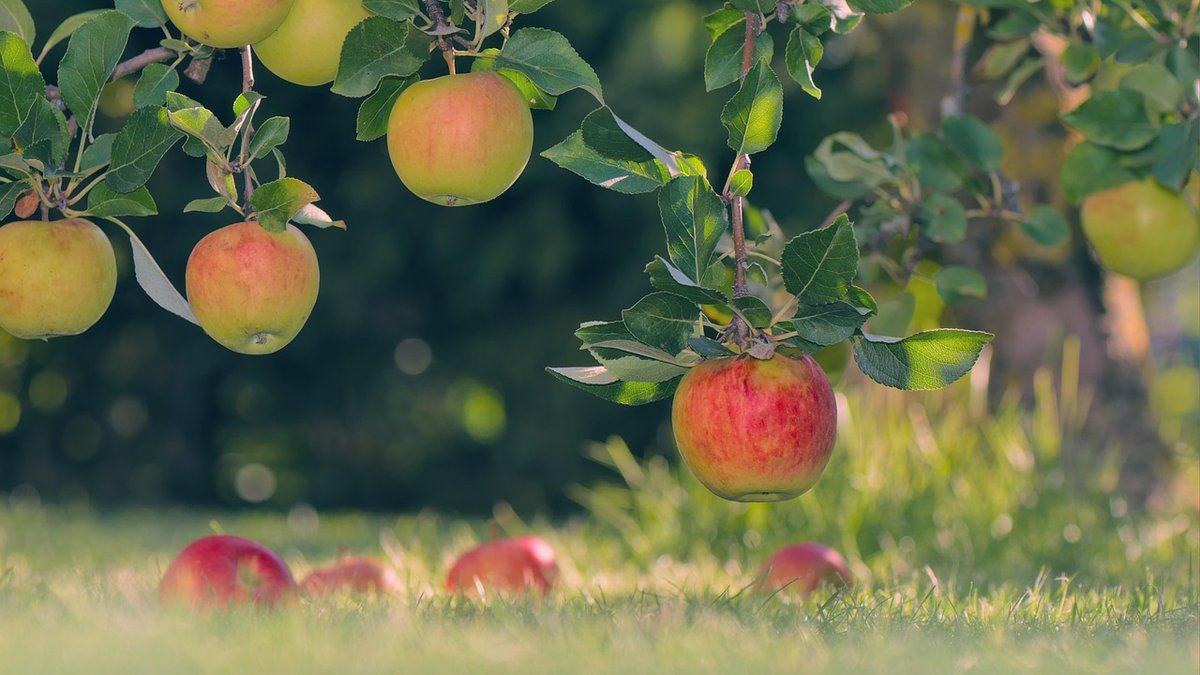
Nothing captures the generosity of a good orchard year quite like a shelf of filled jars. Whether you are gathering windfalls from an old Blenheim Orange or coaxing the last plums from a Victoria, the principles stay the same: clean equipment, hot jars, a tested recipe, and a setting test you trust. Here are methods that have served growers well for generations, scaled to a domestic kitchen.
Everything rests on this. A jar that is not clean will spoil a week's work within a fortnight, so treat sterilising as part of the recipe rather than a chore at the end.
Under-set jam is disappointing; over-boiled jam is dark and stiff. Put three saucers in the freezer before you begin. When the jam looks ready, drop a teaspoonful onto a chilled saucer, leave it for a minute, then push it gently with your finger. If the surface wrinkles and the blob holds its shape, the set is there. If it stays liquid, boil for another three minutes and test again on a fresh saucer.
If you prefer numbers, a sugar thermometer takes the guesswork out of it. Jam sets at roughly 104.5°C, and a rolling boil that cannot be stirred down will reach it. Carry the pan to the thermometer rather than the other way round, and keep the bulb clear of the base.
Chutney is where a mixed glut goes, and it is far more tolerant than jam. It needs no setting point, only patience and a long, slow simmer. This quantity fills about five 450g jars.
Tip everything into a heavy preserving pan, bring to a gentle simmer, and stir until the sugar dissolves. Then cook uncovered for one and a half to two hours, stirring often, until a wooden spoon drawn through the mixture leaves a clean channel that fills slowly. It will thicken further as it cools, so stop while it is still slightly looser than you want. Pot hot, seal, and leave for four to six weeks before opening — the sharpness mellows beautifully.
Plums are low in pectin, so a little lemon juice is worth adding. Halve and stone 1kg of plums, crack a few stones and tie them in a muslin bag for extra set, then simmer the fruit with 150ml water and the juice of half a lemon until soft. Add 1kg of warmed sugar, stir over a low heat until every grain has dissolved — feel the base of the pan with a wooden spoon; grit means more stirring — then boil hard for ten to fifteen minutes and test. Pour into warm jars, seal, and you should have four or five 450g jars.
Bottling keeps the shape and flavour of orchard fruit better than almost anything else. Pack halved, peeled pears or apple rings tightly into clip-top jars, layering with a light syrup of 250g sugar to 1 litre of water, or 400g for a medium syrup. Leave 2cm of headspace, run a knife down the inside to release trapped air, and seal.
Stand the jars on a folded cloth in a deep pan, cover with warm water to the necks, and hold at 90°C for 20 to 25 minutes for apples and pears. Lift out carefully and let them cool undisturbed. Check the seals the next day: press the lid, and if it gives and stays down, store it in the fridge and eat it soon. Properly sealed jars will keep a year in a cool, dark cupboard.
Label everything with the fruit, the date and any tweaks you made. Next autumn, when the branches are bowed again, you will be glad of the notes.

Hi, my name is Anthony kuber. I am artist and fashion designer.
I love to travel and writing blogging.
Your email address will not be published. Required fields are marked *
Software Developer & Writer
Hey, I'm Diva, a developer and writer blending code and creativity. I'm driven by a deep curiosity and a relentless pursuit of excellence. Join me as I craft digital solutions and captivating stories.


