
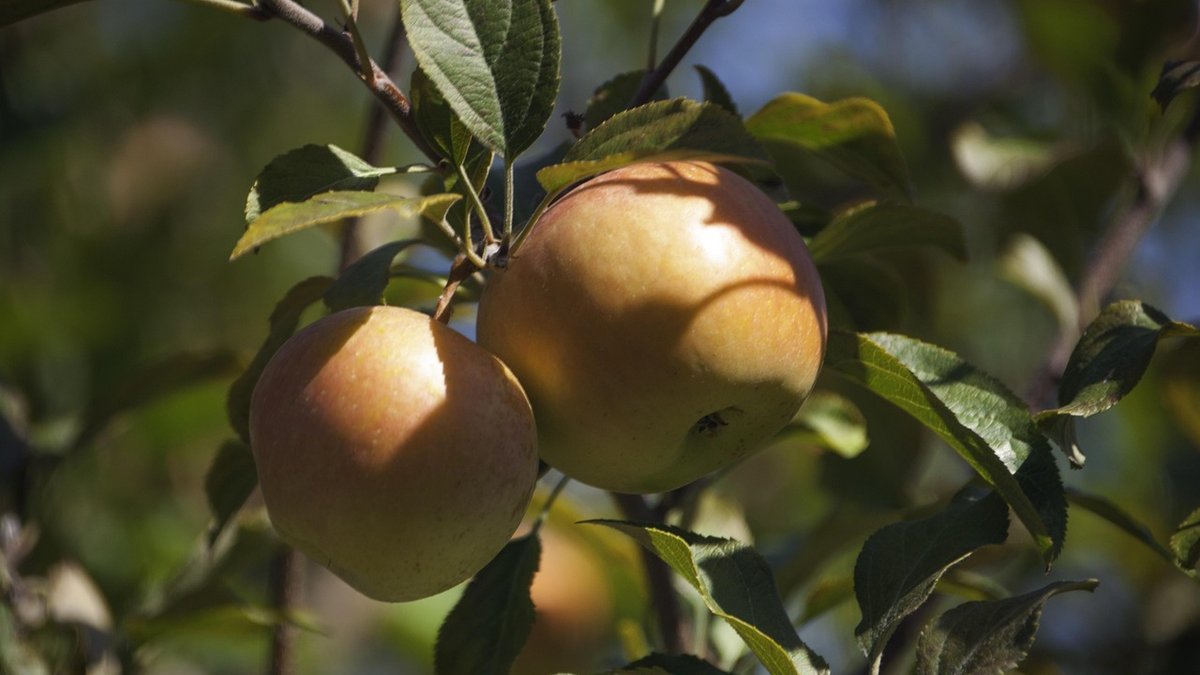
An apple tree is a long-term investment. Whether you are nursing a century-old 'Bramley' in a cottage garden or training a young 'Discovery' against a sunny wall, the difference between a passing blemish and a lost limb usually comes down to how quickly you notice trouble. Fungal problems rarely appear overnight; they build quietly through spring and summer, and by the time fruit is ruined or branches die back, the infection has often been established for months.
The good news is that most of the common ailments we see in British orchards announce themselves clearly, provided you know where to look. Spend ten minutes a fortnight walking your trees with a mug of tea in hand, examining leaves, shoot tips and bark, and you will catch most problems while they are still manageable. Below are the three you are most likely to meet, plus the pruning and hygiene habits that keep them in check.
Canker is the most serious of the trio because it kills wood rather than merely disfiguring it. Look for sunken, cracked patches of bark, often ringed by a raised callus as the tree tries to heal itself. On young shoots you may see swollen, knobbly galls. In wet weather, small creamy-white pustules appear on the dead tissue, turning orange-red as they mature and releasing spores through autumn and winter.
Typical places to check first:
Treatment means surgery. Using sharp, clean secateurs or a pruning saw, cut back into healthy wood — aim for at least 10–15cm beyond the visible edge of the lesion, until you reach pale, firm tissue with no brown staining. Choose a dry spell in late July or August if you can, as spores are less active then and wounds heal quickly. Large cuts can be left unpainted, though a traditional wound seal is fine on thick limbs. Bin or burn the prunings; never add them to the compost heap.
Scab is the reason so many garden apples end up speckled and split. The first sign is usually in late spring, when soft, olive-green to black velvety patches appear on the upper leaf surface. Leaves may yellow and drop early, weakening the tree. On the fruit, scab shows as dark, corky, scabby lesions that crack as the apple swells, letting in secondary rots.
Scab overwinters chiefly in fallen leaves on the ground, so the single most effective control is autumn leaf collection. Rake thoroughly beneath the canopy in October and November, and clear any mummified fruit still hanging on the tree or lying in the grass. Thinning crowded clusters in early summer helps too, as it improves airflow and lets light and sprays reach the fruit. Avoid high-nitrogen feeds, which push out soft, susceptible growth; a balanced or slightly potash-rich feed is far better for a fruiting tree. If you are planting new trees, consider scab-resistant varieties such as 'Ashmead's Kernel', 'Katy' or 'Reverend Wilks'.
Unlike scab, mildew thrives in dry, warm conditions and shows up as a white, powdery film over shoot tips and leaves. Infected leaves curl upwards, become brittle and may take on a silvery-grey tone. Affected shoots are stunted and distorted, and blossom can be damaged before it sets fruit.
The fungus shelters inside dormant buds, so the trick is to break the cycle. As soon as you spot the tell-tale white tips in May or June, prune them off — cutting well below the visible infection — and drop the material straight into a bag for the bin. Keep the tree's centre open by removing congested growth in winter, water at the roots rather than over the foliage, and hold back on nitrogen. Mildew rarely kills a mature tree, but it will steadily undermine vigour if ignored.
Few things spread disease through an orchard faster than a dirty pair of secateurs. Fungal spores ride happily on blades from tree to tree, and a ragged cut left in wet weather is an open door for canker.
Good husbandry does more than any bottle. Keep a clear ring of short grass or mulch around each trunk, but leave a gap so the bark is not permanently damp. Clear fallen leaves and rotting fruit regularly through autumn. Thin heavy crops in July so fruit has room to swell. Feed and mulch in spring to keep the tree vigorous, since a healthy tree shrugs off infections that would overwhelm a struggling one.
Finally, match the tree to the place. A sun-loving apple in a shaded, airless corner will always fight a losing battle against scab and mildew. Heritage varieties bred for your region — the russets of the West Country, the cookers of the North — carry generations of local resilience in their genes. Grow them well, inspect them often, and the fruit will reward you for decades.

Hi, my name is Anthony kuber. I am artist and fashion designer.
I love to travel and writing blogging.
Your email address will not be published. Required fields are marked *
Software Developer & Writer
Hey, I'm Diva, a developer and writer blending code and creativity. I'm driven by a deep curiosity and a relentless pursuit of excellence. Join me as I craft digital solutions and captivating stories.


