
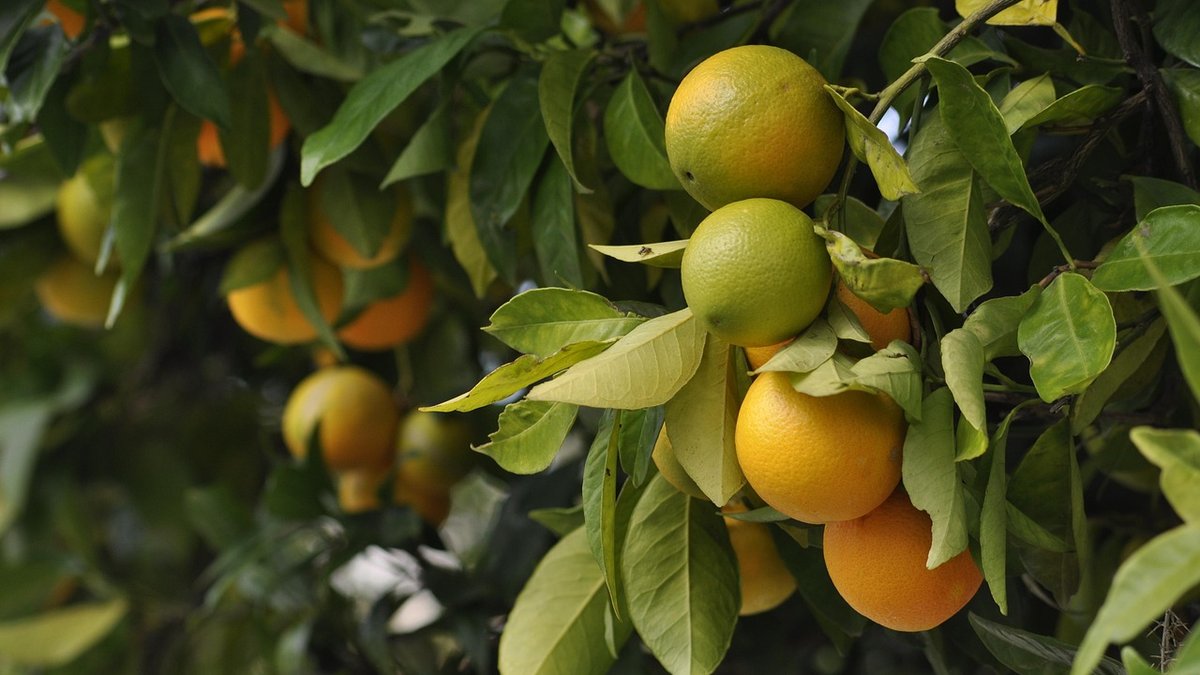
There is something quietly rebellious about planting an apple tree that your great-grandparents might have known. Heritage varieties carry the flavours, names and quirks of a particular parish or county — and many are teetering on the edge of being lost. Growing one at home is a small act of defiance against bland supermarket fruit, and a gift to whoever inherits your garden.
A single apple tree can produce for fifty years or more. Modern club varieties may taste fine, but they are often grown for uniform size and long shelf life. Heritage apples were selected for flavour, cooking qualities, cider-making or simply for cropping well in a specific climate. Many have natural resistance to local pests and diseases, because they evolved alongside them. Russets, for example, have rough, tawny skin that shrugs off scab. Cookers like Bramley’s Seedling break down into a fluffy purée that no supermarket apple can match.
You do not need an orchard. A small tree on a dwarfing rootstock will crop happily in a large pot or a sunny border. The reward is fruit with character: nutty, pear-drop, pineapple, even aniseed notes. And every tree you plant helps keep a regional gene pool alive.
Start with what you actually like to eat. Dessert apples for fresh eating, cookers for pies and sauces, and dual-purpose varieties that do both. Here are some reliable heritage choices, many with deep regional roots:
Check local nurseries or heritage fruit collections for varieties from your county. A tree that thrives in Cornwall may sulk in Aberdeenshire, so match flowering time and hardiness to your climate.
Most apples need a partner to set fruit. Choose varieties that flower at the same time — often grouped from 1 (early) to 6 (late). A crab apple like Golden Hornet can pollinate many dessert varieties if space is tight. Triploids such as Bramley and Ribston Pippin cannot pollinate others, so plant two other varieties nearby.
Rootstock controls size. For a small garden, M26 gives a tree of 2.5–3.5 metres; M9 is smaller still but needs good soil and staking. MM106 suits a larger garden or half-standard. Plant bare-root trees between November and March, when dormant. Dig a hole wide enough to spread the roots, keep the graft union above soil level, and water well for the first two summers. Stake firmly — wind rock is a young tree’s worst enemy.
Prune established trees in winter to remove dead, diseased or crossing branches. But be careful with tip-bearers like Ashmead’s Kernel and Bramley: they fruit at the ends of last year’s shoots, so heavy winter pruning removes your crop. For these, thin out overcrowded branches in summer instead, after harvest.
Feed with well-rotted manure or a balanced organic fertiliser in early spring. A mulch of compost around the root zone conserves moisture and suppresses weeds — but keep it clear of the trunk. Pests and diseases are part of the deal, so aim for balance rather than eradication:
Pick apples when they part easily from the branch and the pips are brown. Early cookers like Keswick Codlin do not store; eat or freeze them within weeks. Later varieties, especially russets, keep for months in a cool, dark, frost-free shed. Store in single layers on slatted trays, or wrap each fruit in newspaper. Check regularly and remove any going soft.
Use windfalls first for juice, chutney or cider. Learn to graft: a single tree can carry several varieties if you add a branch of another heritage apple. Swap scion wood with neighbours or a local orchard group. Many community orchards welcome volunteers and will teach you pruning and grafting in return for a few hours’ work.
Every heritage apple tree planted in a garden, allotment or school grounds is a small reservoir of genetic diversity. If you have space, plant two or three varieties rather than one. Save seeds? No — apple seeds do not come true. Instead, propagate by grafting to keep a variety exactly as it is. Share cuttings, label them clearly, and pass on what you learn. The flavours of the past are not museum pieces; they are a living, fruiting part of our landscape. Your tree could be the one that keeps a local name alive for another century.

Hi, my name is Anthony kuber. I am artist and fashion designer.
I love to travel and writing blogging.
Your email address will not be published. Required fields are marked *
Software Developer & Writer
Hey, I'm Diva, a developer and writer blending code and creativity. I'm driven by a deep curiosity and a relentless pursuit of excellence. Join me as I craft digital solutions and captivating stories.


