
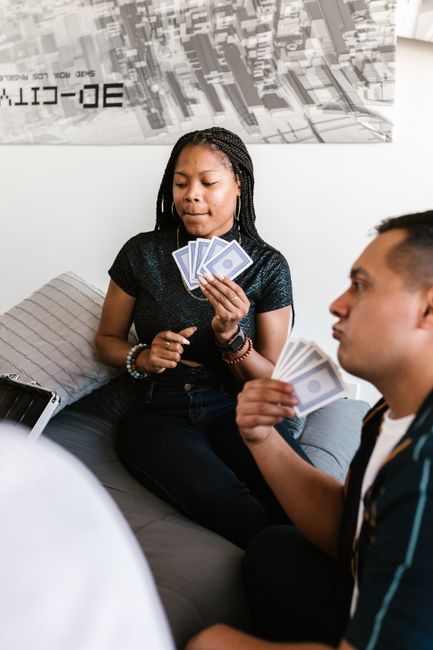
Walk into any casino forum and you'll hear the same tired saying within five minutes: the house always wins. It's true, but it's also useless advice. The house edge doesn't tell you how to spend a Saturday night, which game suits your temperament, or why some players walk away up while others burn their rent money by midnight. Understanding iGaming isn't about memorizing odds tables. It's about knowing what kind of player you are, what each game actually demands from you, and how to spot the difference between a hobby and a slow bleed. Let's dig into the parts that actually matter.
Slots are the easiest games to play and the hardest to play well. There's no decision to make beyond spin speed and bet size, which is precisely why they drain bankrolls so efficiently. A slot's return to player (RTP) typically sits between 92% and 97%, but that percentage is calculated over millions of spins. In a single session, variance is your real opponent.
Here's a concrete example. A machine with 96% RTP and high volatility might pay nothing for 200 spins, then hand you a 500x win. Another with 96% RTP and low volatility will drip small wins consistently. Same RTP, completely different experience. If you're playing for entertainment on a modest budget, low volatility keeps you in the chair longer. If you want the shot at a life-changing hit, high volatility is your game, but you need to accept that most sessions end in a wipeout.
Here's the fundamental difference that separates poker from everything else on a casino floor. In slots, blackjack, or roulette, you're playing against the house and the math. In poker, you're playing against other humans. The house takes a rake, sure, but your profit comes from opponents' mistakes, not from a payout table.
That distinction matters because it means poker is beatable in a way slots never will be. A skilled player can win consistently at low-stakes tables over thousands of hands. But the learning curve is brutal. Most new players lose for months before turning a profit, and many never do. If you're considering poker seriously, start with micro-stakes and treat the first 100 hours as tuition.
Three skills separate winners from the rest:
Unlike casino games, sports betting rewards genuine knowledge. If you follow a league closely and understand line movement, you can find edges. Bookmakers aren't perfect, especially on less popular markets like lower-division football, niche MMA cards, or women's basketball.
The key concept is expected value. A bet has positive EV if the true probability of the outcome is higher than what the odds imply. If you think a team has a 55% chance to win but the odds imply 48%, that's a value bet over the long run. The problem is that your probability estimate is probably wrong, at least at first, and the bookmaker's number is probably sharper than you think. See chơi rikvip for a side-by-side comparison.
A few practical points. Shop around for the best lines. The difference between -105 and -110 on a hundred bets is real money. Avoid parlays unless you understand exactly how the compounding edge works against you. And track every bet in a spreadsheet, including the ones you lose. Without data, you're just guessing whether you're actually good at this.
iGaming companies employ behavioral psychologists. That's not a conspiracy theory, it's a hiring fact. Bonus structures, near-miss animations, and the satisfying chime when a scatter lands are all designed to keep you playing. Recognizing these mechanisms is your best defense.
Two patterns to watch for in yourself:
Deposit limits and reality checks exist on every licensed platform for a reason. Use them before you need them. A player who sets a 50 euro weekly deposit cap at sign-up never has to have the painful conversation with themselves at 2am.
The operator you choose matters more than the game you play. A licensed platform in a regulated jurisdiction, whether that's the UK, Malta, Sweden, or a US state like New Jersey, must follow rules on payout speeds, dispute resolution, and responsible gambling tools. Offshore sites might offer bigger bonuses, but good luck getting your money if they decide not to pay.
Check three things before depositing anywhere: the license number on the homepage, the withdrawal terms in the T&Cs, and independent reviews from players who've actually cashed out. Bonuses with 40x wagering requirements on slots are worth far less than they appear. That 100 euro bonus might require 4,000 euro in wagers before you see a cent of it.
iGaming offers genuine entertainment and, for a small percentage of disciplined players, a real edge. But the line between recreation and problem is thinner than most people admit. The players who last aren't the ones chasing jackpots. They're the ones who treat every session as a cost, not an investment, and who walk away without regret whether they're up or down. Decide what the money is for before you log in. If you can't afford to lose it, don't put it on the table. That single principle will keep you healthier than any betting system ever will.

Hi, my name is Anthony kuber. I am artist and fashion designer.
I love to travel and writing blogging.
Your email address will not be published. Required fields are marked *
Software Developer & Writer
Hey, I'm Diva, a developer and writer blending code and creativity. I'm driven by a deep curiosity and a relentless pursuit of excellence. Join me as I craft digital solutions and captivating stories.


