
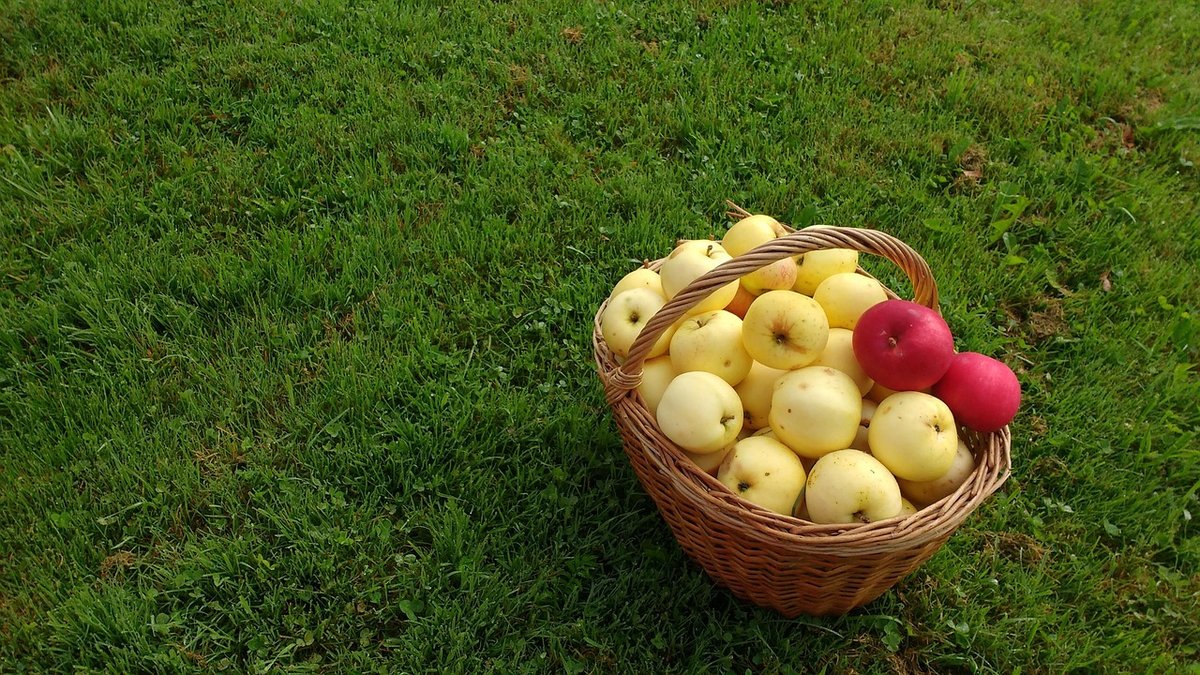
Not every apple is cut out for months in store. Early varieties such as Discovery, Beauty of Bath and George Cave are best enjoyed straight from the tree, their fragile flesh turning soft within days. To fill your fruit bowl in January and beyond, you need late-keeping heritage apples. These old varieties were selected precisely for their ability to hold their flavour and texture long after picking. Look for thick skins, firm flesh and a good balance of acid and tannin. Reliable choices include:
Planting a heritage tree is an act of patience and hope. Choose a rootstock suited to your soil and space, and site it in full sun with good drainage. A mature, well-tended tree will reward you with fruit that genuinely lasts.
Timing is everything. An apple picked too early will shrivel and lack flavour; one left too long will turn mealy and rot. For storing, pick when the fruit is mature but not fully ripe. Test by cupping an apple and giving a gentle lift and twist. If the stalk parts easily from the spur, it is ready. The seeds inside should be dark brown, and the skin should have lost its greenish tinge.
Handle every apple as if it were an egg. Bruises are the enemy of long storage, as they invite rot. Never shake the tree or drop fruit into a bucket. Use a soft picking bag or basket, and place apples gently rather than tossing them. Leave the stalk intact; a broken stalk leaves an open wound. Do not wash the apples. A natural bloom on the skin helps protect against mould. Wipe off any obvious dirt with a dry cloth, but leave the fruit dry.
The old ways are the best ways. Wrapping each apple separately in newspaper, tissue paper or dry straw is the single most effective method for preventing the spread of rot. One bad apple really can spoil the whole crate, but a paper barrier contains the damage. You can also use clean wood shavings or dried bracken.
Choose your containers with care. Wooden crates, cardboard boxes with ventilation holes, or slatted shelves all work well. Avoid sealed plastic boxes or bags, which trap moisture and encourage mould. A single layer of wrapped apples is ideal. If you must stack, place a layer of straw or folded newspaper between each layer, and do not exceed two or three layers. Store the boxes in a cool place, and label them with the variety and date so you can monitor them.
Apples keep best at temperatures between 2°C and 5°C, with high humidity of 80–90 per cent. A frost-free shed, garage, cellar or unheated north-facing room can all work. The store should be dark, as light encourages sprouting and ripening. Good ventilation is essential to carry away ethylene gas, which speeds ripening in other fruit and vegetables. Keep apples away from onions, potatoes and other strong-smelling produce.
Rodents are the biggest threat to a winter store. Mice can squeeze through gaps the width of a pencil. Use metal bins with tight-fitting lids, or line wooden boxes with fine wire mesh. Set traps or use a humane deterrent, and check the store weekly. As you inspect, remove any apples that are soft, bruised or mouldy. One rotting fruit releases spores that can affect its neighbours. With careful checking, you can enjoy your harvest for months.
Healthy trees produce apples that store better. Prune in winter to create an open centre, allowing light and air to reach the fruit. Thin fruitlets in June, leaving one or two per cluster. This reduces competition for nutrients and leads to larger, firmer apples with better keeping potential. Avoid high-nitrogen fertilisers late in the season, as they encourage soft growth and poor storage quality.
Manage pests and diseases diligently. Scab, canker and codling moth all weaken fruit and shorten its life. Pick up fallen leaves and fruit to break disease cycles. Heritage varieties often have natural resistance, but they still benefit from good hygiene. A well-cared-for orchard, planted with late-keeping varieties, wrapped and stored with care, will provide you with home-grown apples long after the last leaf has fallen. There is no greater winter pleasure than biting into a crisp, fragrant apple that you grew yourself, months after the harvest.

Hi, my name is Anthony kuber. I am artist and fashion designer.
I love to travel and writing blogging.
Your email address will not be published. Required fields are marked *
Software Developer & Writer
Hey, I'm Diva, a developer and writer blending code and creativity. I'm driven by a deep curiosity and a relentless pursuit of excellence. Join me as I craft digital solutions and captivating stories.


