
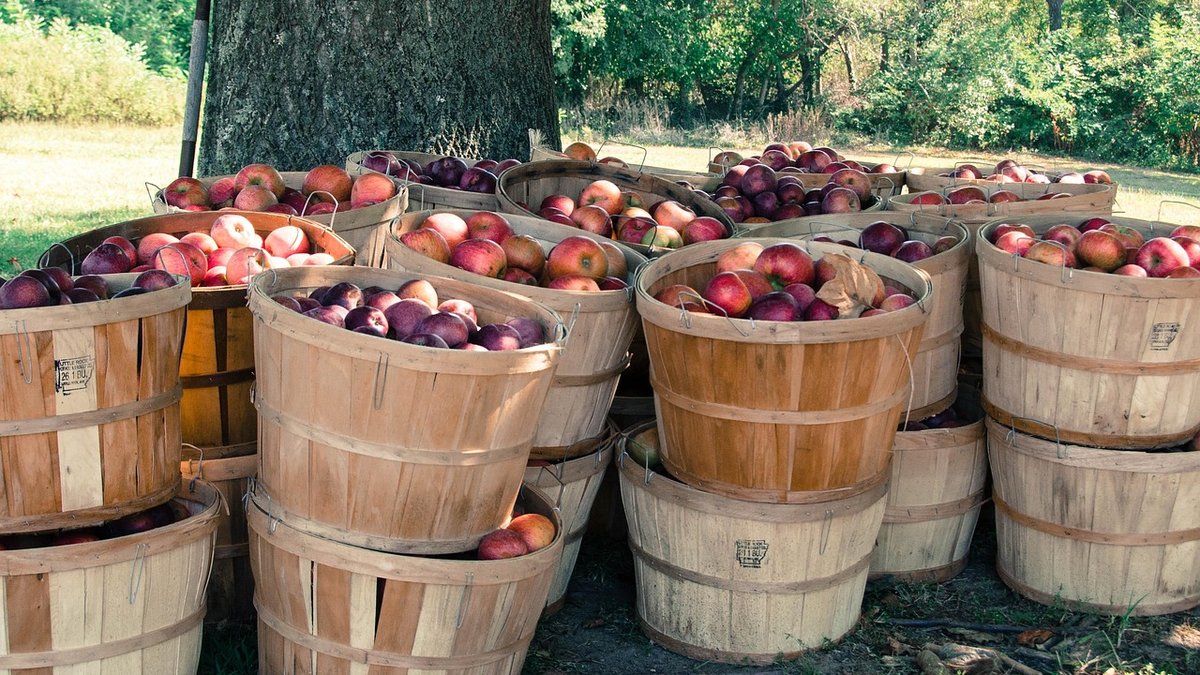
A heritage orchard is more than a collection of old apple and pear trees. It is a living community, and bees, hoverflies, moths and beetles are among its most valuable members. Without them, even the most carefully pruned Ribston Pippin or Egremont Russet will carry only a fraction of its potential crop. Pollination is not simply about honeybees. Solitary mining bees, mason bees, bumblebees and many flies all play a part, often working in cooler, damper weather than honeybees will tolerate. The good news is that encouraging them is less about grand gestures and more about consistent, small-scale provision: early blossom, safe nesting places, clean water and a careful approach to spraying.
Pollinators emerging in late winter and early spring need food immediately. In a UK orchard, the first meaningful blossoms often come from plums, damsons and cherry plums, followed by pears, cherries and then apples. Heritage varieties can extend that window because they flower at different times. Choose a mix of early, mid and late varieties where space allows, and plant additional nectar-rich trees and shrubs along boundaries or in gaps.
Try to have something in flower from February to June, and again in late summer and autumn. Ivy, sedum and late-flowering herbs help bumblebee queens build up fat reserves before winter.
Most of the UK’s bee species do not live in hives. They nest alone in holes, hollow stems, old beetle tunnels and bare ground. A tidy orchard can be short of these features, so leaving a little controlled untidiness is one of the best things you can do.
Bees need water, especially in hot, dry spells, and they often seek out damp mud and mineral-rich puddles. A shallow dish with pebbles or corks provides a safe landing place, but do not forget the orchard floor. A permanently damp corner, a leaky trough or a muddy patch beside a hedge can be just as valuable. Keep water clean and refreshed, and avoid deep buckets where insects can drown. If you have a pond, make sure one edge is shallow and planted, so pollinators can drink without risk.
Never spray insecticides, fungicides or herbicides while fruit trees are in flower. This is the single most important rule. Even products approved for organic use can harm bees, hoverflies and other pollinators if they contact open blossoms or nearby flowering plants. Spraying during bloom also risks killing the very insects that set your crop.
Encouraging pollinators is not a one-off task. It is a gentle rhythm of orchard care. In late winter, check that nest boxes and bee hotels are dry and secure. In spring, let the grass grow a little longer and hold back the mower until blossom has finished. In summer, keep water topped up and leave some flowering herbs and weeds. In autumn, resist the urge to clear every fallen leaf and dead stem; many insects overwinter in them. In winter, prune sympathetically, leaving some dead wood and hollows for nesting. Heritage orchards have always relied on this kind of give-and-take. By providing early blossom, safe nesting sites, clean water and a spray-free bloom, you will not only help bees and pollinators – you will also give your old fruit trees the best possible chance of a heavy, well-set crop.

Hi, my name is Anthony kuber. I am artist and fashion designer.
I love to travel and writing blogging.
Your email address will not be published. Required fields are marked *
Software Developer & Writer
Hey, I'm Diva, a developer and writer blending code and creativity. I'm driven by a deep curiosity and a relentless pursuit of excellence. Join me as I craft digital solutions and captivating stories.


