
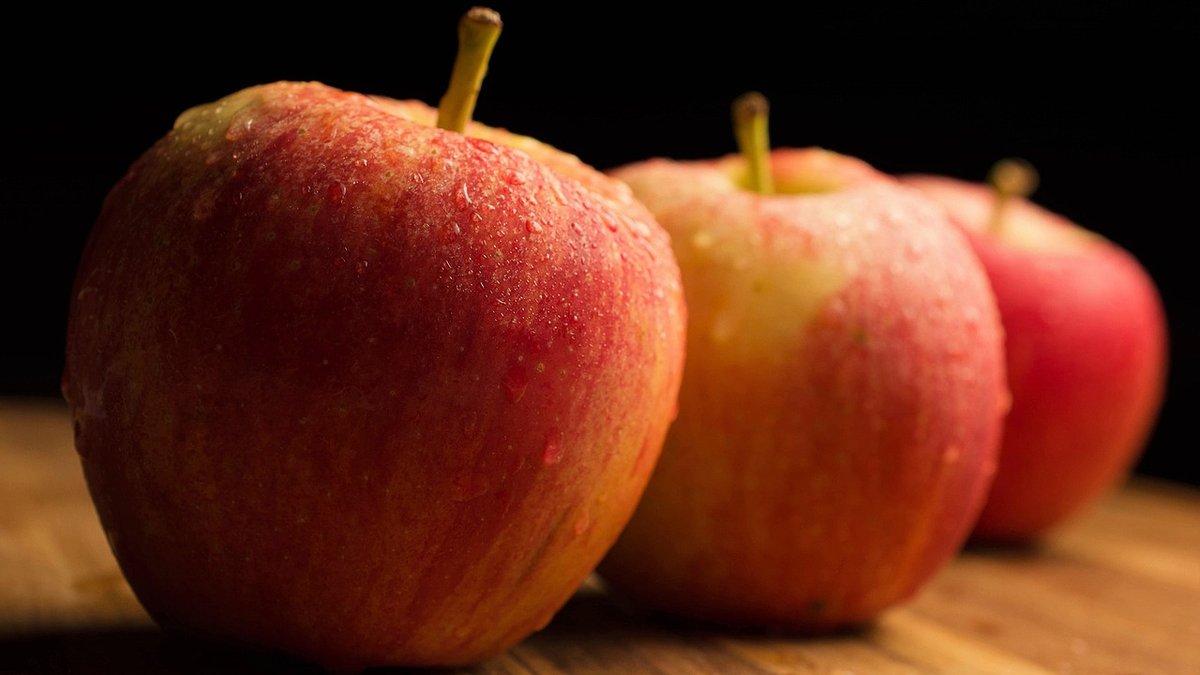
A generous apple harvest is a lovely problem to have, but there comes a point in autumn when the freezer is full, the chutney shelf is groaning and you simply cannot face another crumble. That is the moment to think about drying. Dried apple rings and fruit leather take up almost no space, need no sugar to keep, and capture the flavour of your fruit in a form you can eat straight from a jar in February. They are also the ideal use for windfalls, small fruit and the slightly misshapen specimens that never make it to the table.
Heritage varieties are particularly well suited. Older apples tend to carry more sugar and more acidity than modern supermarket types, and that balance is exactly what makes a dried ring taste vivid rather than merely sweet. If you grow Egremont Russet, Ashmead's Kernel, Ribston Pippin, Court Pendu Plat or a good old Cox's Orange Pippin, you already have drying apples in the garden.
Use fruit that is ripe but firm, and cut away any bruised or rotten sections generously — one bad patch can taint a whole batch. Aim to process your apples within a day or two of picking, as they soften quickly once off the tree.
If you have a dehydrator, use it at 55–60°C for six to eight hours. Spread the rings in a single layer without overlapping and rotate the trays every couple of hours. The gentle, steady heat gives the most consistent results, and you can run it overnight in a utility room or garage without filling the house with apple scent.
An oven works perfectly well too, though it needs more attention. Set it to its lowest setting — ideally 50–60°C, roughly gas mark ¼. Many ovens will not hold a temperature that low, in which case set it as low as it will go and prop the door open with a wooden spoon to let the moisture escape. Line the shelves with baking parchment or use a mesh rack so air can circulate underneath.
Dry for six to ten hours, turning the rings after three or four. They are ready when they feel leathery and pliable rather than crisp, with no sticky or spongy patches. Press one between your fingers: if any moisture beads at the edge, give it another hour. Cool completely before storing — warm fruit creates condensation, and condensation creates mould.
Fruit leather is the answer for soft, damaged or awkward fruit that will not slice neatly. Chop your apples roughly, skins and all, and simmer them with a splash of water until they collapse into a purée. Push the pulp through a sieve for a smooth finish, or blend it if you prefer a little texture.
Bramleys will need a spoonful of honey or sugar per 500g of purée; sweeter varieties usually need nothing at all. Spread the purée three to four millimetres thick onto a parchment-lined baking tray and dry at 60–70°C for four to six hours. It is done when the surface is tacky but not sticky and the sheet peels away from the paper in one piece. Roll it up in fresh parchment and cut into strips with scissors.
Plain apple is wonderful, but this is where a heritage orchard really earns its keep. Try any of the following stirred into your purée before drying:
Avoid adding chopped nuts to leather you plan to keep for months, as the oils turn rancid. Sprinkle them on at the point of eating instead.
Once everything is thoroughly cool, pack it loosely into clean jars, fill them only two-thirds full, and leave the lids slightly ajar for a week. Shake the jars daily. This is called conditioning, and it evens out any lingering moisture. If you see condensation on the glass, tip the contents back into the oven or dehydrator for another hour.
After conditioning, seal the jars and store them in a cool, dark cupboard. Dried apple rings keep their quality for six to twelve months; fruit leather is best within three to six months, though it freezes well if you have made a great deal. Check periodically for any sign of mould and discard any jar that shows it.
Come winter, those jars earn their shelf space. Chop the rings into porridge and overnight oats, soak them for pies and crumbles, or simmer them with a little sugar and spice to make a compote for roast pork. Fruit leather goes into lunchboxes and coat pockets for long walks. It is a small, quiet pleasure: a taste of your own orchard, months after the last leaf has fallen.

Hi, my name is Anthony kuber. I am artist and fashion designer.
I love to travel and writing blogging.
Your email address will not be published. Required fields are marked *
Software Developer & Writer
Hey, I'm Diva, a developer and writer blending code and creativity. I'm driven by a deep curiosity and a relentless pursuit of excellence. Join me as I craft digital solutions and captivating stories.


